Avia Logo

Compare Products


Jump to:
Categories
Solutions
Description
Compatibility Level
Clients
Product Capabilities
Use cases
EHR integrations
Client types
Awards
Differentiators
Health equity
Keywords
Media
Company details
Jump to:
Categories
Solutions
Description
Compatibility Level
Clients
Product Capabilities
Use cases
EHR integrations
Client types
Awards
Differentiators
Health equity
Keywords
Media
Company details
Adult RPM
Adult RPM

0 review

Categories

Solutions

Description

Product Description:

Full enterprise and EHR integrated Remote Monitoring platform for chronic care, home health and hospital at home populations. We also have afull diabetes platform taking the CGM values and putting them back in your EHR in order to decipher data that today is in varied vendors. 

About Locus Health:

Locus is a remote patient monitoring platform built to support both pediatric and adult care. We focus on four key areas to make remote care feel like a seamless extension of your health system.

Maximizing Your Tools: We help you get more value out of your current EHR and tech investments.

Supporting Your Staff: We design our workflows to match the reality of your team’s busy schedule, helping them work efficiently without burnout.

Freedom of Choice: We have a wide selection of pediatric and adult devices and are willing to evaluate new device partnerships on behalf of your system.

Proven Results: We help transform remote care into a strategic advantage by improving patient outcomes and generating a positive return on investment. Our approach engages patients of all ages and levels of digital literacy, assisting them in connecting devices and staying involved with the care programs at your health system.


Product Description:

OnCare360 addresses the patient’s journey between point-of-care visits with a continuous care management platform that captures and transmits daily health data through devices, wearables, and patient interactions. OnCare360 takes a 360-degree approach to managing value-based care by combining Care Management (CCM, RPM, TCM, PCM, RTM), medication, adverse event, and general wellness, clinical communication, and data analytics to create a circle of support between patients, providers and payers.

About OnCare360 Inc.:

OnCare360 addresses the patient’s journey between point-of-care visits with a continuous care management platform that captures and transmits daily health data through devices, wearables, and patient interactions. OnCare360 takes a 360-degree approach to managing value-based care by combining Care Management (CCM, RPM, TCM, PCM, RTM), medication, adverse event, and general wellness, clinical communication, and data analytics to create a circle of support between patients, providers and payers.

Compatibility level

Select which hospital or health system you work at and see a personalized compatibility level.

Clients

Select which hospital or health system you work at and see the client list

Product Capabilities

Locus Health provides the infrastructure to deliver behavioral health care, spiritual support, and social navigation through its configurable platform: Behavioral Health & Spiritual Support * Mental Health Pathways: The platform includes a dedicated Mental Health care pathway for adult populations. * Secure Therapy: Locus supports one-on-one and group counseling (up to 49 participants) via integrated Video Visits. * Mindfulness & Education: Clinicians can push Educational Resources directly to patients, which can include content on mindfulness, spiritual coping, and symptom management. * Music Therapy: The platform has been utilized to deliver music therapy to pediatric patients, facilitating calming techniques and emotional expression.

Locus acts as a digital bridge between clinic visits to supplement care, coordinate complex plans, and facilitate shared decision-making. Supplementing Care & Symptom Management * Virtual Check-ins: Clinicians can perform "virtual rounding" by reviewing patient-submitted vitals, photos, and videos. * Actionable Insights: Real-time alerts for out-of-range data allow providers to manage by exception and intervene before symptoms escalate. * Metric Collection: The platform automatically collects and syncs discrete data into EMR flowsheets, reducing manual charting. * Engagement & Shared Decision-Making * Reminders & Notifications: Configurable alerts keep patients on track with their care plans and notify providers of critical changes. * Patient Education: Providers can push targeted, digital resources to replace traditional paper binders. * Collaborative Tools: Integrated video and messaging allow providers to discuss data directly with patients and their loved ones to decide on next steps. Coordination & Analytics * Care Coordination: The platform captures time spent on care management to support reimbursement and tracks all interactions in the EMR. * Population Analytics: Dashboards provide high-level reports on engagement, outcomes, and program-wide metrics.

Locus provides several ways for caregivers to participate actively in the cancer care journey: Active Participation & Education * Education & Skills: Clinicians can push targeted Educational Resources to caregivers, providing training on clinical skills, medication management, and symptom tracking. * Active Monitoring: Caregivers can use the app to record vitals and answer Surveys on behalf of the patient, ensuring they are central to daily care. * Cancer Navigation: The Locus Navigator (developed with the NCI) helps caregivers coordinate complex schedules and overcome logistical barriers. Emotional & Community Support * Counseling: Integrated Video Visits allow caregivers to join 1-on-1 or group counseling, emotional support, or grief counseling sessions. * Real-time Support: In-App Messaging connects caregivers directly with the care team for immediate guidance or crisis support. * Coping Resources: Customizable pathways can include resources for mindfulness and emotional coping to manage caregiver burnout.

Locus utilizes its enterprise platform to connect patients with experts and trials through the following tools: Expert Connectivity & Second Opinions * Virtual Consultations: Secure Video Visits allow for remote 1-to-1 or group consultations with leading experts without travel. * Seamless Record Sharing: The platform integrates with EMRs to share discrete biometric data and patient summaries, ensuring experts have immediate access to current medical records. * Visual Data: Caregivers can securely send photos and videos to help remote specialists evaluate symptoms or physical findings. Trial Access & Navigation * Locus Navigator: Developed with the National Cancer Institute (NCI), this specialized platform helps navigate patients through complex care journeys, including clinical trial enrollment. * Addressing Barriers: Navigators use the platform to identify and resolve social or logistical barriers that might prevent a patient from accessing a trial. * Digital Concierge: Features like Simplified Scheduling and automated Appointment Reminders keep patients coordinated across multiple specialists and research sites.

OnCare360 collects a wide range of data, including clinical information such as vital signs, diagnoses, medications, and post-discharge details; care management data like time spent on coordination and care plan updates; and patient-generated health data from RPM and RTM devices. It also gathers social determinants of health (SDOH) data, including housing, transportation, and other socioeconomic factors, along with behavioral health metrics such as mental health screenings and care plans. Preventive care data, such as Health Risk Assessments (HRA), Fall Risk Assessments (FRA), and Advance Care Planning (ACP) directives, are also collected, as well as engagement data from patient portals, communication logs, and reminders. Additionally, OnCare360 tracks billing and compliance data, including CPT codes and audit-ready documentation.

OnCare360 provides advanced analytics to support comprehensive care management and decision-making. These analytics include real-time dashboards for tracking patient outcomes, care plan adherence, and program performance across RPM, CCM, TCM, and other CMS programs. Risk stratification tools identify high-risk patients for targeted interventions, while utilization metrics assess resource efficiency and care delivery effectiveness. The platform also offers insights into social determinants of health (SDOH), highlighting barriers to care and tracking the impact of interventions. Additionally, OnCare360 generates compliance reports, billing accuracy metrics, and CPT code utilization summaries to ensure regulatory alignment and optimize reimbursements. This robust analytics suite enables providers to measure outcomes, improve workflows, and deliver data-driven care.

OnCare360 enables seamless bidirectional communication between healthcare providers, patients, and care teams to enhance coordination and engagement. The platform integrates secure messaging, patient portals, and real-time alerts to facilitate ongoing interactions. Providers can send care plan updates, educational materials, appointment reminders, and alerts to patients directly through the system, while patients can respond with questions, upload health data, or report symptoms via the portal or integrated communication tools. For care teams, OnCare360 supports collaborative workflows, allowing providers, nurses, and social workers to share updates, assign tasks, and communicate in real time. This two-way communication ensures that all stakeholders stay informed and aligned, fostering timely interventions and better care outcomes.

OnCare360 ensures providers can engage eligible patients through cellular-connected devices, eliminating the need for Wi-Fi and enhancing accessibility for underserved populations. For patients with higher technical literacy, OnCare360 offers an intuitive mobile app to streamline access to care plans, reminders, and educational resources. This combination ensures tailored engagement for diverse patient needs.

OnCare360 offers pre-built, condition-specific care plans and pathways that are fully customizable to meet the unique needs of each patient. These templates are designed to support clinical decision-making and streamline patient engagement, providing actionable guidance for care delivery. Integrated directly into the platform, these care plans align with automated workflows, ensuring seamless implementation while enabling providers to personalize interventions, enhance adherence, and optimize outcomes with ease.

OnCare360 seamlessly integrates with existing EHR systems, supporting both HL7 file-based integration and SMART on FHIR protocols. This interoperability ensures smooth data exchange, enabling providers to synchronize patient information, care plans, and clinical workflows directly within their EHR environment. By leveraging industry-standard frameworks, OnCare360 enhances operational efficiency and reduces duplication of effort, allowing healthcare teams to focus on delivering high-quality, coordinated care.

OnCare360 streamlines logistics management, staff training, patient onboarding, and ongoing tech support to enhance the clinician and patient experience. The platform provides intuitive workflows that simplify patient onboarding, ensuring smooth enrollment in care programs with minimal administrative effort. Staff training modules offer step-by-step guidance on using OnCare360’s features, enabling care teams to adopt the platform quickly and effectively. Additionally, the system includes robust tech support, with dedicated resources to address patient and provider needs, reducing disruptions and ensuring seamless operation.

OnCare360 leverages AI-based assistants, tailored learning content, and educational materials to engage patients and support behavior change. The platform delivers personalized insights, automated reminders, and easy-to-understand resources, empowering patients to track progress, set goals, and stay motivated in achieving better health outcomes.

Use Cases

Description:

Description:

Locus Health offers a customizable, enterprise-level remote patient monitoring (RPM) solution that serves over 70 different pediatric and adult populations. Its core use cases focus on bridging the gap between hospital and home through clinical surveillance and care coordination.

Pediatric use cases:

Pediatric use cases:

The platform is widely used by leading pediatric hospitals and health systems to support fragile patient populations.

  • Cardiology: High-risk cardiology, heart failure, and specific programs like TRAC (Tele-Remote Assessment for Children) and VAD (Ventricular Assist Device).
  • Neonatal (NICU): Managing complex discharges involving NG tubes or supplemental oxygen, as well as tracking "feeders and growers" and substance-exposed newborns.
  • Pulmonary & General: Post-discharge care for asthma, cystic fibrosis, and tracheostomy/ventilator-dependent patients. It also supports outpatient antimicrobial therapy, palliative care, and solid organ transplants.

Users:

Users:

Locus provides enterprise-level monitoring for acute conditions, chronic disease management, and surgical recovery.

Description:

• A primary care practice is overwhelmed with the administrative burden of managing a large population of patients with chronic conditions like diabetes and hypertension. Care plans are outdated, follow-ups are missed, and staff struggle to accurately track time for billing compliance with Chronic Care Management (CCM) services. This results in poor patient outcomes and underutilization of reimbursement opportunities.

• A cardiology practice focuses on managing patients with advanced heart conditions but faces challenges in coordinating Principal Care Management (PCM) for these high-risk individuals. Providers find it difficult to track detailed interactions, update care plans, and collaborate with primary care teams, leading to gaps in care and reduced efficiency in managing a single complex condition.

• A regional hospital experiences high readmission rates and struggles to optimize patient length-of-stay due to ineffective Transitional Care Management (TCM). Many patients discharged after acute care fail to schedule follow-ups, adhere to discharge instructions, or receive timely medication reconciliation. Additionally, inefficient discharge planning leads to extended hospital stays, straining resources and affecting patient flow. Without a centralized system to monitor post-discharge care, track follow-up visits, and coordinate transitions, the hospital faces challenges in improving recovery outcomes, reducing readmissions, and achieving value-based care benchmarks.

• A rural health clinic struggles to monitor patients with chronic diseases due to limited access to in-person care and delayed identification of worsening symptoms. Patients are often unaware of their health trends, leading to avoidable complications. The clinic needs a solution to integrate FDA-approved RPM devices and deliver real-time insights for timely interventions.

• A payvider serving a diverse population finds that many patients face significant social determinants of health (SDOH) barriers, such as transportation challenges, food insecurity, and housing instability. These barriers prevent patients from adhering to care plans and attending follow-ups, resulting in increased healthcare costs and poor outcomes. The organization lacks tools to systematically capture and address these non-medical factors.

Pediatric use cases:

None provided

Users:

Physician Practices, Hospitals, Health Systems, Accountable Care Organizations, Primary Care Providers, Speciality Providers

EHR Integrations

Integrations:

Acute care EMR, Ambulatory EMR, Patient portal, Pop health platform, Home health, Behavioral health

EMR Integration & Relevant Hardware:

None provided

EMRs Supported:

Epic, Cerner, Meditech, Allscripts, NextGen, athena, McKesson, Point Click Care

Hardware Compatibility:

Mobile / Tablet (native app), Mobile / Tablet (web optimized), Desktop

Integrations:

Acute care EMR, Ambulatory EMR, ADT, Website / public online sources

EMR Integration & Relevant Hardware:

Recommended, but not required

EMRs Supported:

Epic, Cerner, eClinicalWorks, Allscripts, Meditech, NextGen, Athenahealth

Hardware Compatibility:

Desktop, Mobile / Tablet (web optimized), Mobile / Tablet (native app), Other

Client Types

Awards

edit-media
edit-media
No awards image

Differentiators

Differentiators vs EHR Functionality:

Strategically, Locus is focused on: 

(1) helping our customer health systems leverage the critical investment they’ve made in existing technology platforms like the EHR, creating impact for key patient populations where remote care management can most effectively drive outcomes and return on investment. 

(2) meeting our health system care teams where they are, recognizing the reality of patient monitoring and navigation needs vs available provider resources and ensuring that our platform’s ability to collect, synthesize, and transmit key population and patient-specific data supports the efficiency of their teams’ workflows and innovative approaches to coordinated care. 

(3) providing a single-platform “middleware plus” approach to integration, allowing health system teams to choose their preferred remote devices and seamlessly integrate with other relevant patient information via Locus to the EHR 

(4) helping our health system customers view and establish Remote Care Management (both RPM and Navigation) as a strategic capability, supporting both enhanced quality outcomes and becoming a positive-ROI profit center (via enhanced reimbursement revenue and/or lower preventable costs). 

Differentiators vs Competitors:

Strategically, Locus is focused on: 

(1) helping our customer health systems leverage the critical investment they’ve made in existing technology platforms like the EHR, creating impact for key patient populations where remote care management can most effectively drive outcomes and return on investment. 

(2) meeting our health system care teams where they are, recognizing the reality of patient monitoring and navigation needs vs available provider resources and ensuring that our platform’s ability to collect, synthesize, and transmit key population and patient-specific data supports the efficiency of their teams’ workflows and innovative approaches to coordinated care. 

(3) providing a single-platform “middleware plus” approach to integration, allowing health system teams to choose their preferred remote devices and seamlessly integrate with other relevant patient information via Locus to the EHR 

(4) helping our health system customers view and establish Remote Care Management (both RPM and Navigation) as a strategic capability, supporting both enhanced quality outcomes and becoming a positive-ROI profit center (via enhanced reimbursement revenue and/or lower preventable costs). 

Differentiators vs EHR Functionality:

OnCare360 enhances care management by addressing key gaps:

1. Comprehensive Care Management: Specialized tools for CMS programs like CCM, RPM, TCM, and SDOH, including workflows, time tracking, and care plan templates.

2. Automated Compliance: Built-in CPT code tracking and billing workflows ensure accurate reimbursements and CMS compliance.

3. Patient Engagement: Offers portals, reminders, and secure messaging for proactive communication and improved adherence.

4. Advanced Analytics: Real-time dashboards track care outcomes, program performance, and at-risk patients.

5. SDOH Integration: Dedicated tools to assess and address social barriers to care, linking patients to resources.

OnCare360 complements EHR systems by focusing on care delivery, compliance, and patient-centric tools.

Differentiators vs Competitors:

OnCare360 stands out with its comprehensive, integrated platform designed to streamline workflows and improve patient outcomes:

1. All-in-One Platform: Combines tools for RPM, CCM, TCM, PCM, AWV, SDOH, ACP, and more, eliminating the need for multiple systems.

2. Program-Specific Features: Tailored workflows, care plan templates, and automated time tracking for each CMS program ensure ease of implementation and compliance.

3. Patient Engagement Tools: Secure portals, reminders, and educational resources promote adherence and satisfaction, surpassing basic communication solutions offered by competitors.

4. Compliance Automation: Preloaded CPT codes, billing accuracy checks, and audit-ready documentation reduce errors and maximize reimbursements.

5. SDOH and Holistic Care: Advanced tools to assess and address non-medical factors, linking patients to resources and improving health equity.

6. Scalability and Flexibility: Suitable for small practices, large health systems, and ACOs, with customizable workflows for diverse needs.

7. Real-Time Insights: Analytics dashboards provide actionable data on care outcomes, performance metrics, and patient risks.

OnCare360 delivers unmatched versatility, compliance, and patient engagement features.

Health Equity

Keywords

Images

1 of 4

edit-media
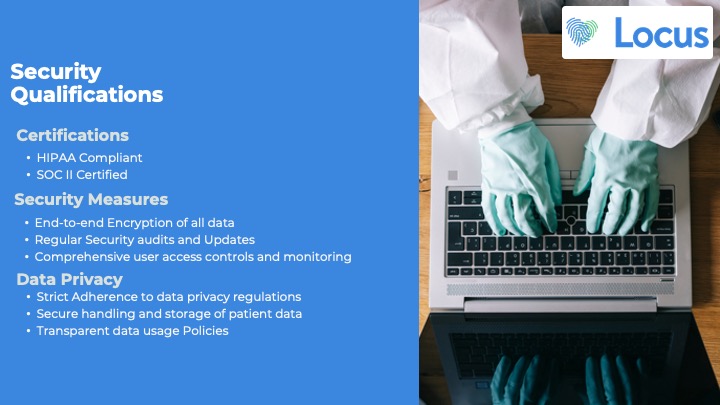
Locus Security Qualifications.jpeg

1 of 9

edit-media
OnCare360 Patient App.png

Videos

No videos provided

1 of 2

OnCare360 TCM Patient Education Video.mp4

Downloads

media thumbnail
Oncology - Remote Home Monitoring of Patients With Cancer During the COVID Pandemic- A Pilot Study.pdf
media thumbnail
OnCare360 Care Management Services.pdf

Alternatives

Company Details

Founded in 2009

Need help narrowing down products?

Add more criteria to see your compatibility level for every vendor. It only takes a few minutes, just create a free account to get started.
back to top