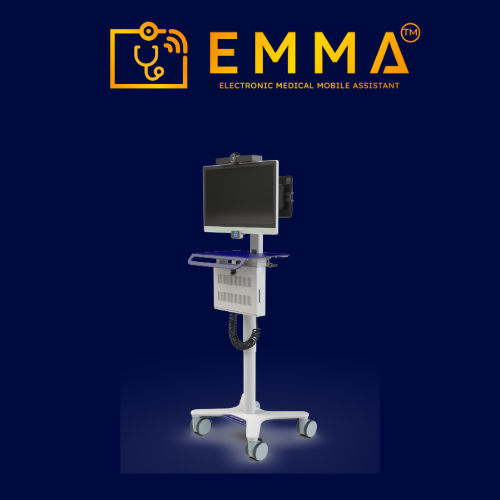
🔹 1. Inpatient Specialty Consults (Medical-Surgical, ICU, Telemetry)
Enable real-time, bedside consultations with remote specialists (e.g., cardiology, neurology, infectious disease, nephrology). Reduces transfer rates and delays in care for hospitals with limited onsite specialty coverage.
⸻
🔹 2. Emergency Department Support
Facilitates rapid specialty input for critical ED patients—especially in stroke, chest pain, sepsis, or trauma cases—when timing is everything. EMMA enables remote specialists to assess, guide management, and initiate transfers only when necessary.
⸻
🔹 3. Nighttime & Weekend Coverage
Provides hospitals with immediate physician access during off-hours (nights/weekends) when onsite staffing is minimal or non-existent. Supports hospitalists, nocturnists, and cross-coverage teams remotely.
⸻
🔹 4. Rural & Critical Access Hospital Support
Closes the care gap by bringing advanced clinical expertise to remote locations where specialists are unavailable. Helps keep care local, avoid unnecessary transfers, and generate new revenue streams for small hospitals.
⸻
🔹 5. Post-Acute Care and Swing Bed Programs
Allows for virtual rounding and specialty consults for patients in swing beds or post-acute transitional care, increasing the range of services hospitals can offer and extending length of stay revenue.
⸻
🔹 6. Hospital-at-Home Extensions
Used in hybrid care models where EMMA is deployed in satellite units, pop-up hospitals, or home settings under direct supervision of a remote care team.
⸻
🔹 7. Training, Supervision, and Second Opinions
Used by attending physicians to supervise advanced practice providers or residents remotely. Also enables peer-to-peer consults and second opinions on complex cases.
🔹 8. Tele-Wound Care
Allow wound care specialists to remotely assess, monitor, and guide bedside teams on complex wound cases. Ideal for facilities without full-time wound care teams—improves healing times and documentation accuracy.