







Avia Logo

Compare Products


Jump to:
Categories
Solutions
Description
Compatibility Level
Clients
Product Capabilities
Use cases
EHR integrations
Client types
Awards
Differentiators
Health equity
Keywords
Media
Company details
Jump to:
Categories
Solutions
Description
Compatibility Level
Clients
Product Capabilities
Use cases
EHR integrations
Client types
Awards
Differentiators
Health equity
Keywords
Media
Company details
cliexa
cliexa

0 review

Pediatrics RPM
Pediatrics RPM

0 review

Categories

Solutions

Description

Product Description:
The cliexa platform enables patients and physicians to track disease activity remotely and leverage proprietary technology that makes intelligent correlations between medication dosage, frequency, and heightened or reduced symptoms. The system allows patients to connect to and pull in wearables data, as well as, specified claims data to correlate and communicate events and daily activities to their physician. This data assists providers by responding more efficiently to changes in baseline metrics, so their patients will have a more targeted and timely treatment, potentially resulting in fewer complications.
About cliexa:
cliexa® is a Colorado-based company that is reinventing the way chronic medical conditions are managed. The platform connects patients, physicians, and payors to better manage the most serious and expensive medical conditions in the United States. We enable patients and physicians to track chronic disease activity remotely and leverage proprietary technology that makes intelligent correlations between medication dosage, frequency, and heightened or reduced symptoms. For physicians, discrete clinical data and patient-reported outcomes (PROS) enable them to improve clinical decision making, while reducing liability and billing concerns with payors. These algorithms also help providers respond more efficiently to new data, so their patients will have fewer complications or side effects. Payors will be provided with longitudinal data to better understand the necessary treatment decisions and patient status. This will lead to improved communication and greater efficiency in the billing process while expanding the understanding of clinical processes that support patient well-being for future coverage improvements. With cliexa, patients will play a greater role in their care and will be able to take charge of their health with this proprietary technology.
Product Description:

Enterprise wide RPM platform to manage any and all populations outside the hospital. Full scale device's, patient reported outcomes, surveys and real time notifications.

About Locus Health:

Locus is a remote patient monitoring platform built to support both pediatric and adult care. We focus on four key areas to make remote care feel like a seamless extension of your health system.

Maximizing Your Tools: We help you get more value out of your current EHR and tech investments.

Supporting Your Staff: We design our workflows to match the reality of your team’s busy schedule, helping them work efficiently without burnout.

Freedom of Choice: We have a wide selection of pediatric and adult devices and are willing to evaluate new device partnerships on behalf of your system.

Proven Results: We help transform remote care into a strategic advantage by improving patient outcomes and generating a positive return on investment. Our approach engages patients of all ages and levels of digital literacy, assisting them in connecting devices and staying involved with the care programs at your health system.


Compatibility level

Select which hospital or health system you work at and see a personalized compatibility level.

Clients

Select which hospital or health system you work at and see the client list

Product Capabilities

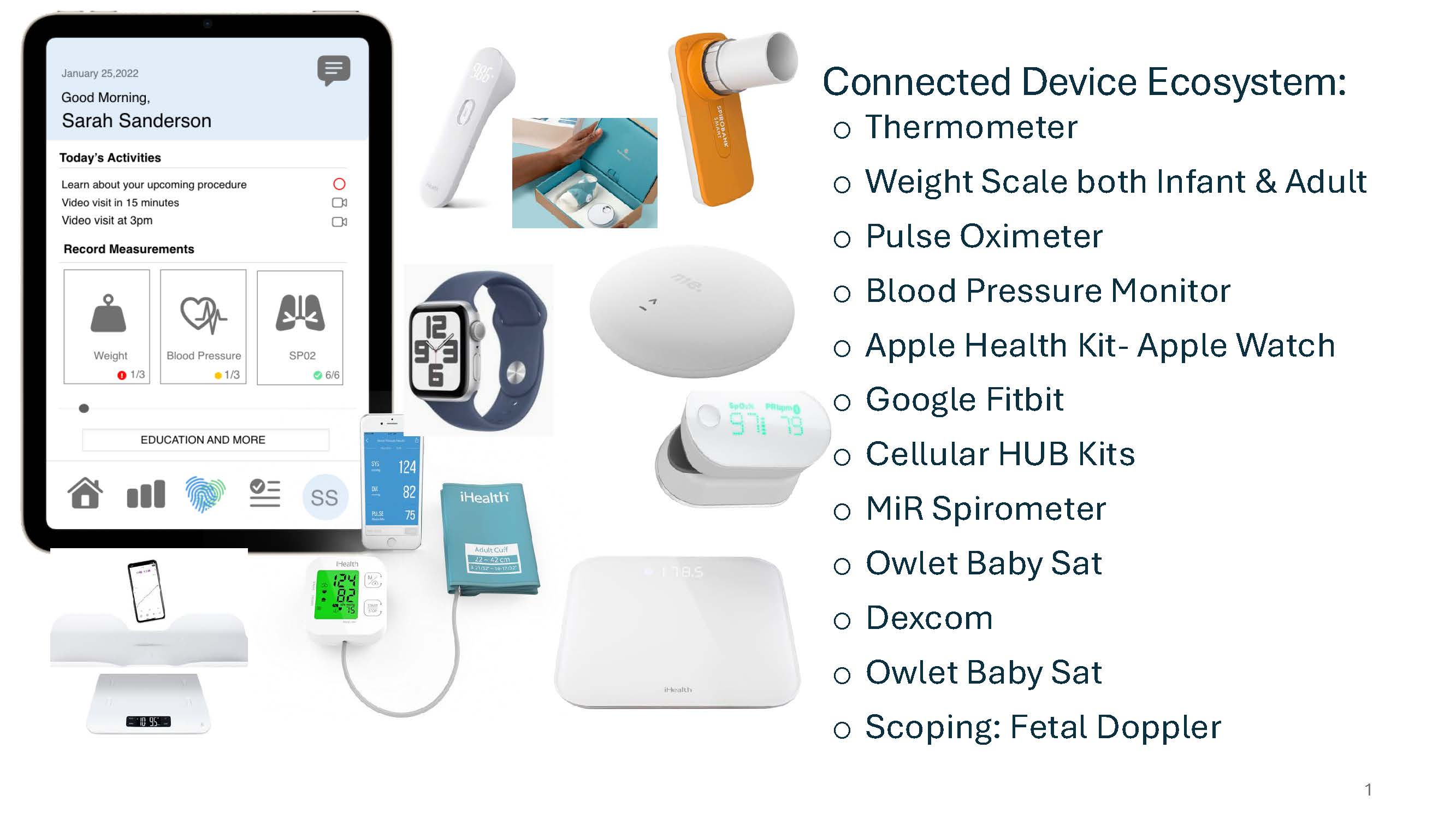
Integrated, Not Isolated Data Collection The biggest challenge with RPM data is usually where it lives. With Locus, data doesn't sit in a separate portal: Direct to EHR: We feed "discrete data" directly into your EMR flowsheets from our ecosystem of both Bluetooth and Cellular connected devices which include common vital signs, as well as spirometry, fetal doppler, and growing. Manage by Exception: Our system filters the "noise." Instead of scrolling through thousands of normal readings, your team is alerted only when a patient’s data trends outside of their personal "normal" range. This is further fine-tuned by health system partners. Outcomes: Our data consistently demonstrates how remote monitoring has lowered readmission rates and/or shortened hospital stays.

Locus offers several methods for health systems to access and analyze their data: Reporting Dashboard: A built-in dashboard within the Locus web application that provides immediate visibility into program metrics. Custom SQL Reports: The platform supports the creation of specialized

Locus Health’s bidirectional communication capabilities are managed via feature flags, allowing health systems to customize the level of patient engagement based on specific program needs or clinical capacity. Feature Flag Customization Administrators can choose to enable or disable the following communication channels: In-App Messaging: This optional feature allows for secure, non-urgent messaging between the care team and the patient. Video Visits: Programs have the option to "Turn On" video capabilities for 1-to-1 visits or group sessions with up to 49 participants, such as centering sessions or group counseling. Notifications: Clinicians can enable or disable real-time notifications via email or SMS for measurement alerts and new messages. If these are disabled, alerts will still display within the web portal for the care team to manage. Patient notifications happen via HIPAA-compliant banner notifications and "nudges" to take vital signs or login to see a message.

Accessibility and WCAG Compliance Locus is committed to an "accessibility-first" design philosophy, adhering to international standards to ensure an inclusive digital experience: WCAG Compliant Design: The application is built following Web Content Accessibility Guidelines (WCAG), which focus on making digital content perceivable, operable, understandable, and robust for individuals with various disabilities. Native Accessibility Tool Support: The app is designed to work seamlessly with iOS and Android native mobile tools. This allows patients to utilize standard features such as: Screen Readers (e.g., VoiceOver on iOS and TalkBack on Android) for patients with visual impairments. Text Resizing and high-contrast modes to improve readability. Voice Control and other assistive technologies provided by mobile operating systems. Equitability and Localization To ensure health equity, Locus addresses linguistic and social barriers through targeted features: Language Localization: The Locus patient app is fully localized in English and Spanish, allowing a broader demographic to engage with their care plans in their preferred language. Flexible Access Options: Recognizing that not all patients have the same resources, Locus offers four ways to access the platform: BYOD (Bring Your Own Device): Use the app on a personal iPhone or Android device. Cellular-Enabled iPads: Locus can provide pre-configured, cellular-ready tablets for patients who do not have reliable internet or their own mobile devices. Web-Based Portal (PWA): A web-accessible version for use on any browser. Simple Connectivity: Features like cellular hub connectivity and automated data transmission help patients in rural or underserved areas stay connected without needing complex technical setups.

Pediatric Care Pathways Locus is a leader in pediatric remote patient monitoring (RPM), serving many of the top children's hospitals in the United States. Their pediatric pathways focus on "feeders and growers" and medically complex patients to reduce length of stay (LOS) and improve outcomes. Cardiac: High-risk cardiology, heart failure, VAD, TRAC, and exercise programs for older CHD patients. NICU: Complex discharges (NG tubes/Oxygen), feeders and growers, and substance-exposed newborns. Pulmonary: Asthma, Cystic Fibrosis, and Trach/Vent care. General/Other: Solid organ transplant, palliative care, outpatient antimicrobial therapy (OPAT), and the transition from TPN to oral feeds. Adult Care Pathways For adult populations, Locus provides pathways aimed at managing chronic conditions and reducing 30-day readmission risks. Oncology: Specifically developed through NIH/National Cancer Institute awards, including chemotherapy treatment and medication monitoring. Cardiac: Heart failure and cardiac rehab. Pulmonary: COPD and pneumonia. Surgical: Bariatric and urology pathways. General/Chronic: Endocrinology, high-risk obstetrics, mental health, weight management, and spinal cord injury. Transplant: Solid organ and stem cell transplant. Pathway Customization and Scalability While these pathways are prebuilt based on clinical evidence and established best practices, they remain highly flexible: Configurability: Care teams can choose from over 70 different measurement types to design a dashboard that fits their specific program needs. Enterprise Integration: Pathways are integrated directly into the EMR (e.g., Epic, Cerner), allowing for discrete data return and SSO access for clinicians. Logistics Support: Locus manages the full logistics of these pathways, including shipping branded kits with integrated devices (scales, BP monitors, etc.) directly to patients' homes.

The Locus platform is designed to be fully integrated into enterprise health systems. Key features include: Discrete Data Integration: Biometric and symptomatic data from remote monitoring is sent back to the EMR as discrete data, making it actionable within the patient's record. Single Sign-On (SSO): Clinicians can access the Locus dashboard directly through the EMR using SSO via SMART on FHiR, reducing the need for multiple logins. EMR-Based Enrollment: Programs can be configured to allow patient enrollment directly via an EHR order, as seen in implementations like the Inova health system. Patient Portal Integration: Patients can have the option to launch the Locus application directly from within their MyChart (Epic) portal. Appointment Synchronization: Locus can integrate with health system scheduling to provide appointment reminders and updates within the remote monitoring app. This includes incorporating schedules from an EMR, infusion, and transplant systems into one centralized reminder.

Locus Health provides a structured support model designed to ensure clinical continuity while maintaining efficient operational assistance for both providers and patients: 24/7/365 Urgent Support: Locus offers around-the-clock support every day of the year specifically for urgent care-blocking issues. This ensures that critical clinical workflows and monitoring remain functional at all times. Core Office Hours: Standard support services are available Monday through Friday, from 8:30 a.m. EST to 8:30 p.m. EST, excluding federal holidays. Logistics and Shipping Support: During office hours, the Locus team manages the logistics of picking, packing, and shipping branded kits directly to clinics or patient homes. Help Desk and Technical Assistance: The Locus Help Desk is available during office hours to assist with account activation and device connectivity support. Clinical and Patient Engagement: Support staff work during office hours to encourage patient engagement and provide necessary training for clinicians to ensure they are proficient with the platform.

Locus Health provides a highly configurable framework for health systems to deliver patient education and health coaching materials directly within the Locus app. To ensure a personalized and flexible patient journey, systems can utilize the following content delivery methods: Automated Delivery Logic: Content can be scheduled for auto-delivery based on specific milestones, such as how long a patient has been enrolled in a program. Manual Triggering for Individual Needs: Clinicians have the ability to manually trigger specific content to patients at any time. This ensures that educational resources and coaching tools are tailored to meet unique, patient-centered care requirements as they arise. Hosted Educational Content: Health systems can host a variety of multimedia resources, including PDFs and Videos, to provide clinical guidance and self-care instructions. Surveys and PROMs: Clinicians can integrate questionnaires and Patient Reported Outcome Measures (PROMs) to gather qualitative data and assess patient progress.

While Locus is primarily an enterprise remote patient monitoring solution, its flexible communication infrastructure enables specialized partnerships—such as with the Ollie Hinkle Heart Foundation—and supports remote cardiac rehab programs for both 12-week and 24-week sessions. These programs leverage Locus's bidirectional communication tools to achieve the following: 1-to-1 and Group Support Sessions: The platform can "turn on" video visit capabilities to host private consultations or group centering sessions for up to 49 participants. Structured Coaching Delivery: Health systems can host and auto-deliver educational PDFs, videos, and surveys tailored to the specific timeline of a 12 or 24-week cardiac recovery journey. Patient-Centered Adjustments: Clinicians can manually trigger specific coaching content or questionnaires based on a patient's individual progress or behavioral health requirements during rehab.

Locus has demonstrated its impact in oncology through the following partnerships and clinical studies: COVID-19 Oncology Management: Locus support enables managing oncology patients at home during treatment, a practice highlighted for its efficiency and safety during the COVID-19 pandemic. Inova Schar Cancer Institute Pilot: An NCI-funded pilot to remotely monitor gastrointestinal cancer patients with connected devices, symptomatic questions, combined infusion and EMR scheduling integration, complimented by HCO authored "What to Expect" video series. Wearable Oncology Trial: Locus participated in a prospective clinical trial titled "A Pilot Prospective Clinical Trial Using Remote Monitoring for Cancer Patients Undergoing Outpatient Chemotherapy" led by Dr. John Deeken. Study Focus: The trial utilized Apple Watch data (steps, sleep, activity) and symptomatic questions for patients starting cycle one, day one of chemotherapy and infusion. Awards: The Inova Schar Cancer Center received an Innovation Award in July 2021 from the Association of Cancer Care Centers for its work with Locus. NCI Grants and Research As an NIH/National Cancer Institute (NCI) SBIR Awardee (2021-2024) with a Phase 1 and Phase 2 award, Locus developed a compliment of advanced care oncology navigation features to work alongside their connected device, bidirectional communication, and EMR integration features

Use Cases

Description:
Specific use cases include high-risk settings for adolescents, not limited to setting: healthcare systems, specialty clinics, school-based clinics/populations, or research opportunities.
Pediatric use cases:
Our pediatric application focuses on addressing the behavioral health aspects of adolescent populations. Through our platform, clinicians will administer clinically validated assessments, based on calculated risk, to monitor changes in behavioral health. This allows an interventional approach to preventative care in pediatric settings.
Users:
The end-users are clinicians and patients during appointment visits. Clinicians utilize the platform as a care management software while providing patients the option to remotely monitor their health status from their phones.
Description:

Locus Health offers a customizable, enterprise-level remote patient monitoring (RPM) solution that serves over 70 different pediatric and adult populations. Its core use cases focus on bridging the gap between hospital and home through clinical surveillance and care coordination.

Pediatric use cases:

The platform is widely used by leading pediatric hospitals and health systems to support fragile patient populations.

  • Cardiology: High-risk cardiology, heart failure, and specific programs like TRAC (Tele-Remote Assessment for Children) and VAD (Ventricular Assist Device).
  • Neonatal (NICU): Managing complex discharges involving NG tubes or supplemental oxygen, as well as tracking "feeders and growers" and substance-exposed newborns.
  • Pulmonary & General: Post-discharge care for asthma, cystic fibrosis, and tracheostomy/ventilator-dependent patients. It also supports outpatient antimicrobial therapy, palliative care, and solid organ transplants.
Users:

Locus provides enterprise-level monitoring for acute conditions, chronic disease management, and surgical recovery.

EHR Integrations

Integrations:

None provided

EMR Integration & Relevant Hardware:

Use case dependent

EMRs Supported:

athena, Cerner, eClinicalWorks, Epic, Self-developed

Hardware Compatibility:

Mobile / Tablet (native app)

Integrations:

Acute care EMR, Ambulatory EMR, Patient portal, Home health

EMR Integration & Relevant Hardware:

None provided

EMRs Supported:

Epic, Cerner, Meditech, Allscripts, NextGen, athena, McKesson, Point Click Care

Hardware Compatibility:

Mobile / Tablet (native app), Mobile / Tablet (web optimized), Desktop

Client Types

None provided

Awards

No awards image
edit-media
edit-media

Differentiators

Differentiators vs EHR Functionality:
Instead of competing with EMR systems, cliexa offers add-ons for disease-specific areas for healthcare management. The patient reported data enters the EMR system and is automatically assigned codes for payor compliance, resulting in a more efficient clinical workflow. cliexa is a marketplace partner with Epic, athenahealth and Microsoft Azure Cloud. With its HITRUST certified and HIPAA Compliant Cloud Data platform, cliexa aims to enable evidence-based clinical data to its pool of customers.
Differentiators vs Competitors:
What differentiates cliexa from its competitors is the modular framework of the platform addressing a wide range of disease states and subspecialties with a custom reimbursement qualification workflow and compliance documentation supported by integrated connected devices, claims and medication adherence data. These data sources allow physicians to gather optimal data for their patient population in-clinic or remotely tailored to their needs. The patient reported data enters the EMR system and is automatically assigned codes for payor compliance, resulting in a more efficient clinical workflow.
Differentiators vs EHR Functionality:

While EHRs are excellent at recording clinical encounters, Locus extends their reach by acting as a high-performance "middleware plus" layer with a stable of connected devices for pediatrics and adult populations. Locus also offers shipping and support to all its devices.

Workflow Optimization: Instead of manual entry, Locus delivers discrete biometric data directly into EHR flowsheets, reducing clinician charting burden.

Strategic Integration: We leverage your existing EHR investment to drive outcomes for high-risk populations, such as oncology and NICU, where standard EHR tools may lack specialized monitoring depth.

Actionable Data: Locus synthesizes real-time data into configurable dashboards and alerts, allowing teams to "manage by exception" rather than sift through raw records.

Differentiators vs Competitors:

Locus stands apart from other RPM vendors through its clinical heritage and full-service logistics.

Clinical Roots: Developed by pediatric nurses and neonatologists, our platform is designed for the reality of complex care, not just simple chronic disease management.

Device Agnostic "Middleware": We provide a single-platform approach that allows health systems to choose their preferred devices—from cellular hubs to Apple HealthKit—and seamlessly integrate them into one view.

Full-Service Logistics and Help Desk: Locus manages the "heavy lifting" by shipping, retrieving, and sanitizing equipment direct-to-patient, allowing clinical teams to focus solely on care. Allowing clinical teams to solely focus on care. Locus offers 24/7/365 support helping eligible patients get enrolled and stay engaged.  

Financial Sustainability: We transform RPM into a profit center by maximizing reimbursement through automated tracking of billable time and device data under CMS rules.

Locus supports over 70 pediatric and adult populations, offering specialized pathways that generic competitors cannot match.

Health Equity

Keywords

Images

No images provided

1 of 4

edit-media
Connected Devices.jpg

Videos

No videos provided

1 of 2

Rainbow Babies.mp4

Downloads

No content provided

media thumbnail
Transforming Pediatric Care with Telehealth Technology

Alternatives

Company Details

Founded in 2015

Founded in 2009

Need help narrowing down products?

Add more criteria to see your compatibility level for every vendor. It only takes a few minutes, just create a free account to get started.
back to top