Avia Logo

Compare Products


Jump to:
Categories
Solutions
Description
Compatibility Level
Clients
Product Capabilities
Use cases
EHR integrations
Client types
Awards
Differentiators
Keywords
Media
Company details
Jump to:
Categories
Solutions
Description
Compatibility Level
Clients
Product Capabilities
Use cases
EHR integrations
Client types
Awards
Differentiators
Keywords
Media
Company details
Body Pro 2
Body Pro 2

0 review

Categories

Solutions

Description

Product Description:

Biomarkers

  • Weight & BMI
  • Body Composition: Muscle Mass, Bone Mass, Fat Mass, Visceral Fat & Water %
  • Electrochemical Skin Conductance: A non-invasive measurement that may allow doctors to detect early signs of diabetic peripheral neuropathy and help in the assessment of diabetic foot ulcer.
  • Vascular Age: the apparent age of a patient’s arteries. Based on an exclusive algorithm, it is a key metric to give a clearer picture of a patient’s heart health. It is a critical tool in cardiovascular risk assessment, particularly in the diabetic population.

Patient-Engagement Features

  • Personalized Health Nudges: Care teams can send personalized and tailored messages to patients through the dynamic color screen, enhancing engagement and involvement in their health journey.
  • Eyes Closed Mode: To cater to patients who don’t want to see their weight but still want to engage with their care teams, the scale has the ability to hide weight readings. Instead patients can receive motivational messages that encourage positive progress and routine adherence. 
  • Vibrant Color Screen: With the addition of a new high-resolution, full color, LCD screen, patients will be able to engage with a more vibrant experience that includes weight trends, weather forecasting, air quality and more.  
  • Smart design: Equipped with grip feet and a non-slip surface to improve the experience of stepping on the scale, helping patients keep their balance. A gentle vibration assures patients who may have trouble seeing the screen that their measurement is complete, notifying them that they can confidently step off the scale. 

Elevating the Partner Experience

  • ProgramMemberID: In a major advancement towards improving data validation and integrity, Body Pro 2 is also the first and only cellular scale designed with the patient recognition feature - ProgramMemberID. The cellular scale provides care teams assurance, based on a score (0-100%), of the likelihood that the measurement reading came from their patients, rather than from one of their family members. Now, care teams are empowered to collect and analyze patient data with greater confidence for faster and better decision-making and improve program efficiency.
  • Engagement Score: A score that helps care teams understand the level of engagement of their patients, based on learnings derived from billions of measurements on Withings scales, to assess their motivation and customize their coaching accordingly.

Other Features:

  • Weather Forecast
  • Precise up to 50g/0.1lb

About Withings Health Solutions:

Founded as an extension of Withings in 2019, Withings Health Solutions began by recognizing the impact that Withings’ consumer-targeted technology could have on professionals in the healthcare industry. After launching the first-ever Wi-Fi Scale on the market, Withings soon began developing more products to empower healthcare decision making, inventing the first Hybrid Smart Watch, the first Blood Pressure Monitor with ECG and Digital Stethoscope, and the first Analog Recording Watch recording an ECG.

Today, Withings Health Solutions builds on this technology to bring enhanced remote monitoring solutions to healthcare professionals across the world. As we work towards our vision of inventing the future of consumer health monitoring, we hope to equip medical, health and wellness professionals with the simple, innovative solutions they need to improve the health of the communities they serve — everywhere.

Product Description:

OnCare360 addresses the patient’s journey between point-of-care visits with a continuous care management platform that captures and transmits daily health data through devices, wearables, and patient interactions. OnCare360 takes a 360-degree approach to managing value-based care by combining Care Management (CCM, RPM, TCM, PCM, RTM), medication, adverse event, and general wellness, clinical communication, and data analytics to create a circle of support between patients, providers and payers.

About OnCare360 Inc.:

OnCare360 addresses the patient’s journey between point-of-care visits with a continuous care management platform that captures and transmits daily health data through devices, wearables, and patient interactions. OnCare360 takes a 360-degree approach to managing value-based care by combining Care Management (CCM, RPM, TCM, PCM, RTM), medication, adverse event, and general wellness, clinical communication, and data analytics to create a circle of support between patients, providers and payers.

Compatibility level

Select which hospital or health system you work at and see a personalized compatibility level.

Clients

Select which hospital or health system you work at and see the client list

Product Capabilities

Body Pro 2 enables continuous, at-home collection of weight, body composition, and electrochemical skin conductance (ESC), automatically transmitting data to care teams as part of an ongoing, provider-directed monitoring program.

Analytics derived from Body Pro 2 measurements help detect early physiological changes, allowing care teams to intervene before conditions escalate to hospitalization.

OnCare360 collects a wide range of data, including clinical information such as vital signs, diagnoses, medications, and post-discharge details; care management data like time spent on coordination and care plan updates; and patient-generated health data from RPM and RTM devices. It also gathers social determinants of health (SDOH) data, including housing, transportation, and other socioeconomic factors, along with behavioral health metrics such as mental health screenings and care plans. Preventive care data, such as Health Risk Assessments (HRA), Fall Risk Assessments (FRA), and Advance Care Planning (ACP) directives, are also collected, as well as engagement data from patient portals, communication logs, and reminders. Additionally, OnCare360 tracks billing and compliance data, including CPT codes and audit-ready documentation.

OnCare360 provides advanced analytics to support comprehensive care management and decision-making. These analytics include real-time dashboards for tracking patient outcomes, care plan adherence, and program performance across RPM, CCM, TCM, and other CMS programs. Risk stratification tools identify high-risk patients for targeted interventions, while utilization metrics assess resource efficiency and care delivery effectiveness. The platform also offers insights into social determinants of health (SDOH), highlighting barriers to care and tracking the impact of interventions. Additionally, OnCare360 generates compliance reports, billing accuracy metrics, and CPT code utilization summaries to ensure regulatory alignment and optimize reimbursements. This robust analytics suite enables providers to measure outcomes, improve workflows, and deliver data-driven care.

OnCare360 enables seamless bidirectional communication between healthcare providers, patients, and care teams to enhance coordination and engagement. The platform integrates secure messaging, patient portals, and real-time alerts to facilitate ongoing interactions. Providers can send care plan updates, educational materials, appointment reminders, and alerts to patients directly through the system, while patients can respond with questions, upload health data, or report symptoms via the portal or integrated communication tools. For care teams, OnCare360 supports collaborative workflows, allowing providers, nurses, and social workers to share updates, assign tasks, and communicate in real time. This two-way communication ensures that all stakeholders stay informed and aligned, fostering timely interventions and better care outcomes.

OnCare360 ensures providers can engage eligible patients through cellular-connected devices, eliminating the need for Wi-Fi and enhancing accessibility for underserved populations. For patients with higher technical literacy, OnCare360 offers an intuitive mobile app to streamline access to care plans, reminders, and educational resources. This combination ensures tailored engagement for diverse patient needs.

OnCare360 offers pre-built, condition-specific care plans and pathways that are fully customizable to meet the unique needs of each patient. These templates are designed to support clinical decision-making and streamline patient engagement, providing actionable guidance for care delivery. Integrated directly into the platform, these care plans align with automated workflows, ensuring seamless implementation while enabling providers to personalize interventions, enhance adherence, and optimize outcomes with ease.

OnCare360 seamlessly integrates with existing EHR systems, supporting both HL7 file-based integration and SMART on FHIR protocols. This interoperability ensures smooth data exchange, enabling providers to synchronize patient information, care plans, and clinical workflows directly within their EHR environment. By leveraging industry-standard frameworks, OnCare360 enhances operational efficiency and reduces duplication of effort, allowing healthcare teams to focus on delivering high-quality, coordinated care.

OnCare360 streamlines logistics management, staff training, patient onboarding, and ongoing tech support to enhance the clinician and patient experience. The platform provides intuitive workflows that simplify patient onboarding, ensuring smooth enrollment in care programs with minimal administrative effort. Staff training modules offer step-by-step guidance on using OnCare360’s features, enabling care teams to adopt the platform quickly and effectively. Additionally, the system includes robust tech support, with dedicated resources to address patient and provider needs, reducing disruptions and ensuring seamless operation.

OnCare360 leverages AI-based assistants, tailored learning content, and educational materials to engage patients and support behavior change. The platform delivers personalized insights, automated reminders, and easy-to-understand resources, empowering patients to track progress, set goals, and stay motivated in achieving better health outcomes.

Use Cases

Description:

Use Case: Monitoring Body Composition and Electrodermal Skin Conductance (ESC) with Body Pro 2

A large hospital system deploys Body Pro 2 as part of a remote patient monitoring program supporting patients with cardiometabolic risk, obesity, and chronic conditions. Patients are enrolled following discharge or during outpatient care and receive a cellular-connected scale shipped directly to their home.

Body composition data is collected automatically with each weigh-in, giving care teams longitudinal visibility into fat mass, lean mass, and hydration trends rather than relying on weight alone. This allows clinicians to distinguish between healthy weight changes and concerning patterns such as muscle loss, fluid retention, or rapid shifts that may signal emerging clinical risk.

In parallel, electrodermal skin conductance (ESC) measurements provide an additional physiological signal related to autonomic and peripheral nerve function. Over time, trends in ESC help clinicians identify patients who may require closer monitoring, further assessment, or adjustments to care plans—particularly in populations with diabetes, cardiometabolic disease, or neurological risk factors.

All measurements are transmitted automatically to the RPM platform, where alerts and dashboards highlight patients who need attention. By combining body composition and ESC with weight trends, care teams gain a more complete picture of patient health between visits, enabling earlier intervention, more personalized care, and more efficient use of clinical time—without adding burden for patients or staff.

Pediatric use cases:

None provided

Users:
  • Clinical Care Teams: Nurses, nurse practitioners, and care coordinators use Body Pro 2 data to monitor patients remotely between visits. Body composition and ESC trends help them identify patients who may need follow-up, education, or escalation of care without relying solely on weight or sporadic in-office measurements.
  • Physicians and Advanced Practice Providers: Physicians use longitudinal body composition and ESC data to support clinical decision-making during follow-ups or virtual visits. Access to trends over time enables more informed discussions around treatment response, disease progression, and care plan adjustments.
  • RPM Program Managers: Program and population health managers oversee RPM performance using dashboards and alerts powered by Body Pro 2 data. They track enrollment, adherence, and outcomes to ensure the program is operating efficiently and meeting clinical and financial goals.
  • Care Management and Population Health Teams: Care managers and population health teams leverage aggregated insights to stratify risk and prioritize outreach. Body composition and ESC trends help identify patients who may benefit from proactive intervention before issues escalate.
  • Digital Health and Innovation Teams: Digital health leaders evaluate how Body Pro 2 fits within broader virtual care and RPM strategies. They focus on scalability, data reliability, integration with existing systems, and alignment with value-based care initiatives.
  • Billing and Operations Teams: Operational and billing teams rely on automated time tracking and reporting associated with RPM workflows to support accurate documentation and reimbursement, ensuring Body Pro 2 data can be operationalized at scale.
Description:

• A primary care practice is overwhelmed with the administrative burden of managing a large population of patients with chronic conditions like diabetes and hypertension. Care plans are outdated, follow-ups are missed, and staff struggle to accurately track time for billing compliance with Chronic Care Management (CCM) services. This results in poor patient outcomes and underutilization of reimbursement opportunities.

• A cardiology practice focuses on managing patients with advanced heart conditions but faces challenges in coordinating Principal Care Management (PCM) for these high-risk individuals. Providers find it difficult to track detailed interactions, update care plans, and collaborate with primary care teams, leading to gaps in care and reduced efficiency in managing a single complex condition.

• A regional hospital experiences high readmission rates and struggles to optimize patient length-of-stay due to ineffective Transitional Care Management (TCM). Many patients discharged after acute care fail to schedule follow-ups, adhere to discharge instructions, or receive timely medication reconciliation. Additionally, inefficient discharge planning leads to extended hospital stays, straining resources and affecting patient flow. Without a centralized system to monitor post-discharge care, track follow-up visits, and coordinate transitions, the hospital faces challenges in improving recovery outcomes, reducing readmissions, and achieving value-based care benchmarks.

• A rural health clinic struggles to monitor patients with chronic diseases due to limited access to in-person care and delayed identification of worsening symptoms. Patients are often unaware of their health trends, leading to avoidable complications. The clinic needs a solution to integrate FDA-approved RPM devices and deliver real-time insights for timely interventions.

• A payvider serving a diverse population finds that many patients face significant social determinants of health (SDOH) barriers, such as transportation challenges, food insecurity, and housing instability. These barriers prevent patients from adhering to care plans and attending follow-ups, resulting in increased healthcare costs and poor outcomes. The organization lacks tools to systematically capture and address these non-medical factors.

Pediatric use cases:

None provided

Users:

Physician Practices, Hospitals, Health Systems, Accountable Care Organizations, Primary Care Providers, Speciality Providers

EHR Integrations

Integrations:

None provided

EMR Integration & Relevant Hardware:

Use case dependent

EMRs Supported:

Epic, Cerner, Meditech, Allscripts, NextGen, athena, GE, eClinicalWorks, McKesson, Other, Allscripts/Eclipsys, Athenahealth, Azalea Health/Prognosis, CPSI, Evident, Healthland, MEDHOST, MedWorx, QuadraMed, Self-developed, Would prefer not to disclose, Point Click Care

Hardware Compatibility:

None provided

Integrations:

Acute care EMR, Ambulatory EMR, ADT, Website / public online sources

EMR Integration & Relevant Hardware:

Recommended, but not required

EMRs Supported:

Epic, Cerner, eClinicalWorks, Allscripts, Meditech, NextGen, Athenahealth

Hardware Compatibility:

Desktop, Mobile / Tablet (web optimized), Mobile / Tablet (native app), Other

Client Types

Awards

edit-media
No awards image

Differentiators

Differentiators vs EHR Functionality:

None provided

Differentiators vs Competitors:

None provided

Differentiators vs EHR Functionality:

OnCare360 enhances care management by addressing key gaps:

1. Comprehensive Care Management: Specialized tools for CMS programs like CCM, RPM, TCM, and SDOH, including workflows, time tracking, and care plan templates.

2. Automated Compliance: Built-in CPT code tracking and billing workflows ensure accurate reimbursements and CMS compliance.

3. Patient Engagement: Offers portals, reminders, and secure messaging for proactive communication and improved adherence.

4. Advanced Analytics: Real-time dashboards track care outcomes, program performance, and at-risk patients.

5. SDOH Integration: Dedicated tools to assess and address social barriers to care, linking patients to resources.

OnCare360 complements EHR systems by focusing on care delivery, compliance, and patient-centric tools.

Differentiators vs Competitors:

OnCare360 stands out with its comprehensive, integrated platform designed to streamline workflows and improve patient outcomes:

1. All-in-One Platform: Combines tools for RPM, CCM, TCM, PCM, AWV, SDOH, ACP, and more, eliminating the need for multiple systems.

2. Program-Specific Features: Tailored workflows, care plan templates, and automated time tracking for each CMS program ensure ease of implementation and compliance.

3. Patient Engagement Tools: Secure portals, reminders, and educational resources promote adherence and satisfaction, surpassing basic communication solutions offered by competitors.

4. Compliance Automation: Preloaded CPT codes, billing accuracy checks, and audit-ready documentation reduce errors and maximize reimbursements.

5. SDOH and Holistic Care: Advanced tools to assess and address non-medical factors, linking patients to resources and improving health equity.

6. Scalability and Flexibility: Suitable for small practices, large health systems, and ACOs, with customizable workflows for diverse needs.

7. Real-Time Insights: Analytics dashboards provide actionable data on care outcomes, performance metrics, and patient risks.

OnCare360 delivers unmatched versatility, compliance, and patient engagement features.

Keywords

Images

1 of 2

edit-media
BODY PRO 2

1 of 9

edit-media
OnCare360 Analytics.png

Videos

1 of 1

Withings Body Pro 2

1 of 2

OnCare360 TCM Patient Education Video.mp4

Downloads

media thumbnail
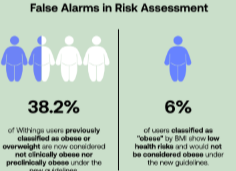
Moving Beyond BMI Infographic
media thumbnail
OnCare360 Care Management Services.pdf

Alternatives

Company Details

team illustration
Share your product comparison with your collegues.

Need help narrowing down products?

Add more criteria to see your compatibility level for every vendor. It only takes a few minutes, just create a free account to get started.
back to top